Saturday, August 23, 2008
Character Development
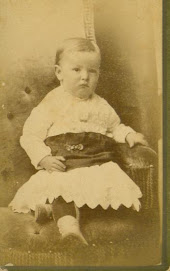
The reader should be able to picture what your characters looked like and how they sounded. What was unique about the things they said or the way they said them? Were there favorite sayings? Were there things they always did that could be identified with them?


Wednesday, August 13, 2008
Time Travel
Today, take a trip to a restaurant or mall. Be a people watcher and then write a description of someone you have watched. Transfer one of the people from your memoir into today's scene. Put them in the current place and circumstances. What would that character do and say? What would be his mannerisms and actions? Now take that information and use it in your memoir to enhance your character as he appears in your memoir.
Tuesday, August 5, 2008
Intended audience
How many generations or family members are you going to write about?
Who is your intended audience ie., your immediate family, extended family, general public?
Who is your intended audience ie., your immediate family, extended family, general public?
Wednesday, July 16, 2008
To Help Stimulate Your Writing
What do you feel is an important lesson to be passed on to future generations?
What challenge were you most proud of overcoming?
Who are the people who have had an influence on you?
Describe a disadvantaged situation and the results.
Share some insight that led you to make a change in your life.
Jot sketchy notes about the most important factors in shaping your life.
Keep the list short. Other not so important factors can possibly be used later.
What challenge were you most proud of overcoming?
Who are the people who have had an influence on you?
Describe a disadvantaged situation and the results.
Share some insight that led you to make a change in your life.
Jot sketchy notes about the most important factors in shaping your life.
Keep the list short. Other not so important factors can possibly be used later.
Friday, June 27, 2008
Photographs Save Memories and Details
Look at photo albums Photo albums can jog your memory about times that may have been forgotten. They can also be a source that provides historical facts. Photos can provide impetus to search for more information in order to present a more complete story. For example, a photo of two women and men standing with suitcases might initiate a story of where they were going, how they were getting there and why they were going. Was it for a honeymoon, a vacation, or a goodbye for someone leaving for military obligation? What clues does the photo offer? How are they dressed? What is in the background? What clues does the history of the time offer? Can you date the cars in the background? What buildings can you see? What period of dress or furniture is apparent? While a particular photograph's story might not fit into the story you are telling, it can provide the historical backdrop to understand the times. It may also help you look more critically at the verbal images you have created to see if your memoir is presenting the mental images that a photo presents.
Monday, June 16, 2008
Details
Clearly define what it is you are writing about…. Don’t assume future generations will know. Don't assume your current readers will know. If you write, "Dad put a tape into the Beta player," current readers as well as future readers may have to guess what that means. Just think how much technology has changed in the last several years; beta, vhs and dvd's. Along the lines of defining and clarifying, be sure to describe. For example, describe what your daughter looked like going to the prom. Describing her hairdo or the dress gives the reader a picture in his mind, but it also gives future generations a picture of the fashions during the time the story occurred.
Tuesday, June 10, 2008
The Characters in My Life
A memoir is a journey into humanity. It allows the reader to feel the emotions and activities of a particular time with those who shared the journey with you. It makes evident the connections you had with people on the journey. Did they inspire you, anger you, love you, rescue you, or teach you? Who did you admire? How did they impact your life? Was their influence felt at different times? Writing about others develops the story but one primary set of characters centers the story.
Subscribe to:
Posts (Atom)